Combat Guide: AP, Gear, Blessings, Curses & When to Retreat
How Welcome to Elderfield’s turn-based combat actually works and why food, gear and bath resets matter more than generic RPG advice.

The combat loop
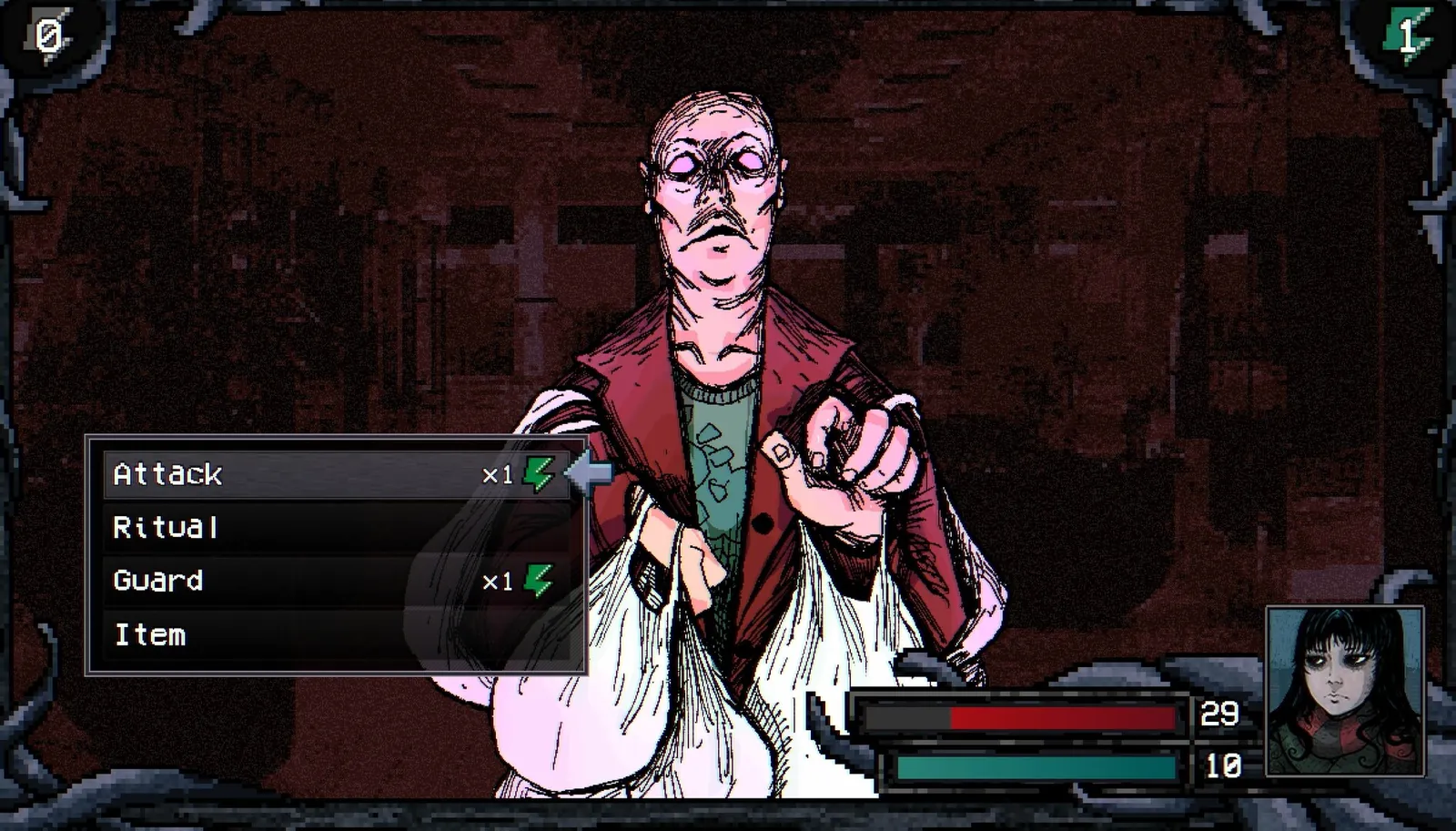
Combat is turn based. The developer tutorial and long-form demo footage show attacks, physical skills and magical rituals sharing a resource-management loop built around HP, MP and action points.
The 1.0.0 launch post names the difficulty set: Cozy for a laid-back harvest; Easy / Normal / Hard (enemy stats and death penalties rise); Nightmare; Custom, which cannot be changed later. Enemy HP tables on this site are still demo/wiki numbers until we recount them in retail.
Stats and combat points
Current wiki data identifies core stats including HP, MP, Attack, Defense, Magic Attack/Defense, Agility, Luck and Hit Rate. Certain skills/rituals add combat-point stacks such as Defensive, Swift and Fatal, which can trigger healing, evasion or double-damage effects.
Blessings and curses can outlive a fight
Not every status disappears at the end of combat. Some blessings/curses persist until a bath or another reset event, which means expedition planning matters more than simply surviving the current enemy.
The gear check
The strongest practical lesson from long-form demo play is that progression can turn into a numbers wall if you keep pushing with weak gear. The developer tutorial directly recommends gathering ore and forging better equipment when survival becomes difficult.
Bathing is powerful but costly
Bathing restores HP/MP and clears many non-permanent statuses, but it also respawns monsters and resets world mysteries. Use it as a reset button, not an automatic after-fight heal.
Retreat rule
If food is low, turn around. The developer tutorial explicitly recommends leaving dangerous areas before the next encounter rather than gambling the run on one more loot room.